
.webp)
The Importance of Choosing the Right Protective Case
Across industrial, defense, medical, and technology sectors, the safe transport and storage of sensitive equipment is a critical requirement.
Damage caused by impact, moisture, vibration, or harsh environments can result in operational failure and financial loss.
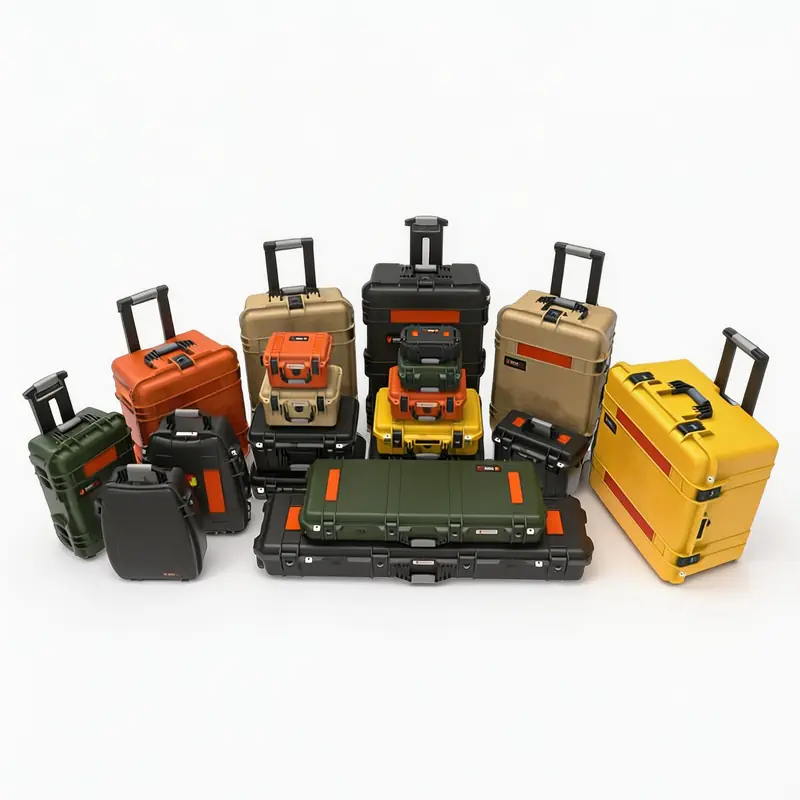
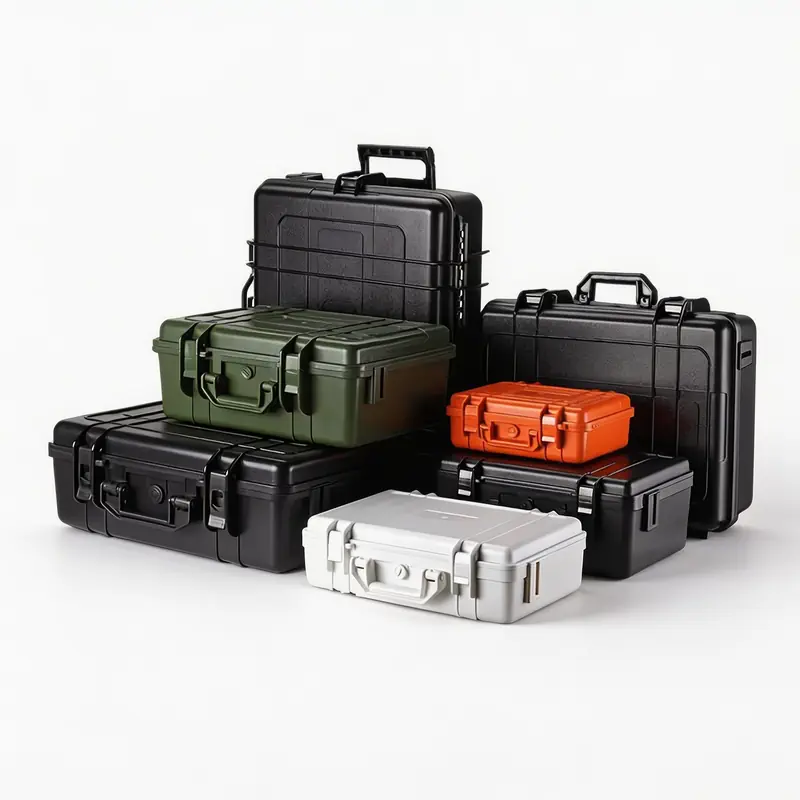
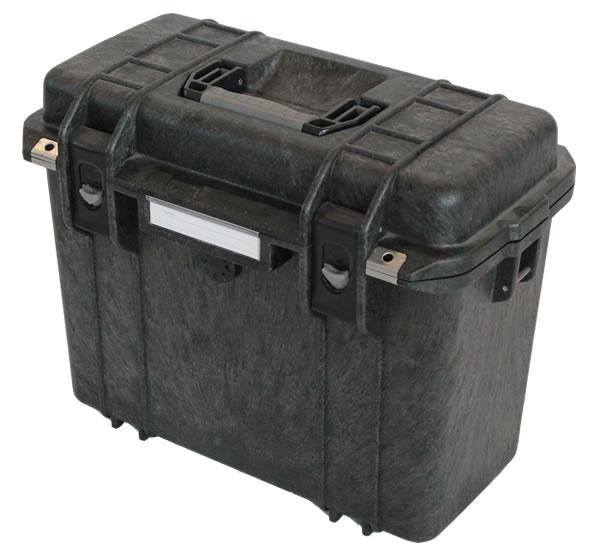
Custom rotomolded cases have become a preferred solution for organizations that require consistent protection and long service life.
Selecting the right manufacturing method directly affects equipment reliability and long-term cost control.
Understanding the Rotational Molding Process
How a Rotomolded Case Is Manufactured
Rotational molding is a low-pressure manufacturing process designed for producing hollow plastic products.
A measured quantity of polyethylene powder is placed into a metal mold.
The mold is heated and rotated on two axes.
As the powder melts, it evenly coats the internal surface.
This biaxial rotation creates uniform wall thickness without seams or joints.
After heating, the mold is cooled while rotation continues.
The result is a single-piece, structurally balanced case shell.
Structural Benefits of Seamless Construction
The absence of welds or glued joints eliminates common failure points.
Uniform wall distribution improves resistance to impact and deformation.
This structure is ideal for rugged environments and repeated handling.
Key Advantages of Custom Rotomolded Cases
High Impact Resistance and Durability
Rotomolded cases are designed to absorb and disperse shock energy.
Their flexibility under impact reduces cracking compared to rigid alternatives.
This makes them suitable for military, aerospace, and field service use.
Design Flexibility and Integrated Features
Rotational molding allows complex geometries to be formed in one piece.
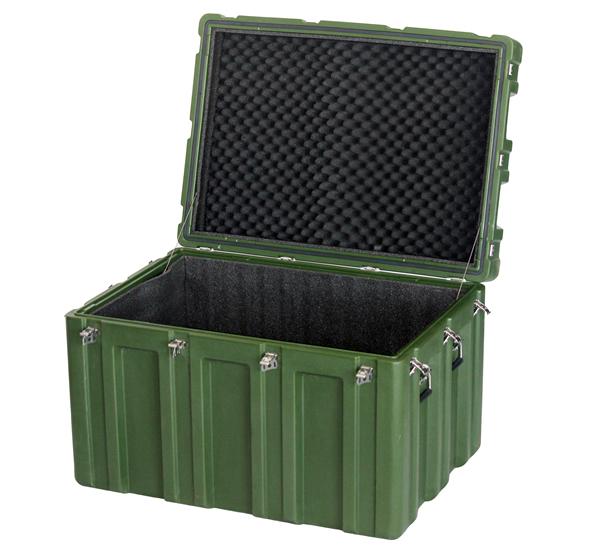
Handles, hinges, latches, and stacking features can be molded directly into the shell.
This reduces assembly requirements and increases structural integrity.
Custom foam interiors further secure equipment during transport.
Cost Efficiency for Custom Production
For low to medium production volumes, rotomolding offers economic advantages.
Mold tooling costs are lower than injection molding.
Material waste is minimal since all resin contributes to the final product.
This makes custom projects more accessible for specialized equipment.
Evaluating Materials for Rotomolded Case Performance
Common Resin Options
Linear low-density polyethylene provides flexibility and impact resistance.
High-density polyethylene offers increased stiffness and load capacity.
Cross-linked polyethylene improves stress crack resistance and thermal stability.
Environmental and Operational Considerations
Material choice affects resistance to chemicals, UV exposure, and temperature extremes.
Professional suppliers recommend materials based on real operating conditions.
This ensures consistent performance throughout the case lifecycle.
Manufacturing Capability and Quality Control
Process Expertise Matters
Precise control of heating and cooling cycles prevents warping and weak spots.
Experienced manufacturers maintain stable production parameters.
This consistency is essential for repeat orders and long-term supply.
Testing and Validation Standards
Rotomolded cases undergo impact, load, and environmental testing.
Water immersion and dust exposure tests verify sealing performance.
Many designs achieve IP67 protection levels.
Engineering Support and Custom Development
Design for Manufacturability
Early engineering involvement improves case performance and cost efficiency.
Wall thickness, rib placement, and feature integration are optimized during design.
This reduces production risks and shortens development cycles.
Application-Specific Solutions
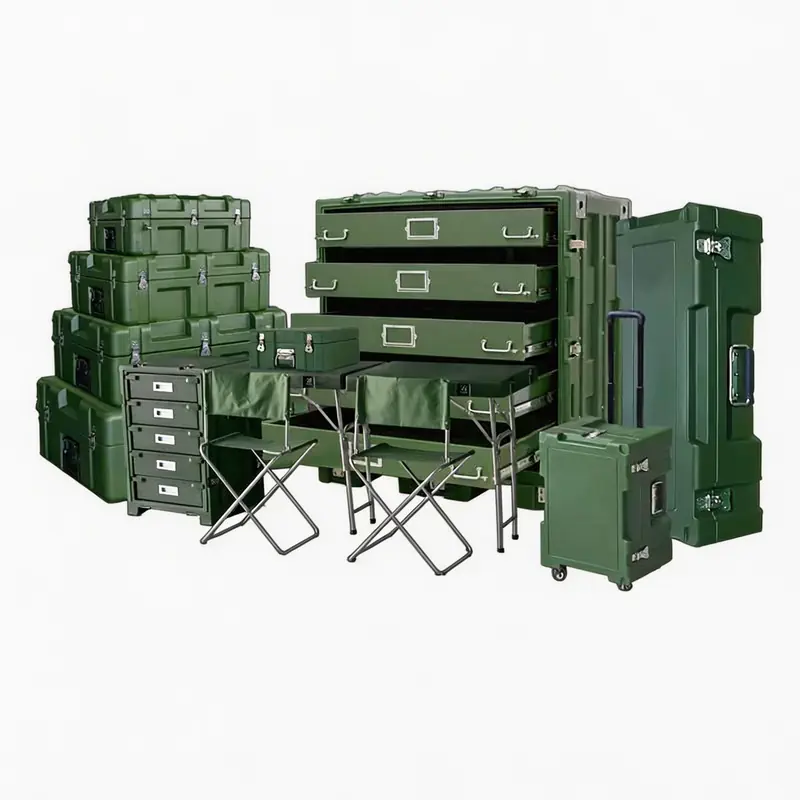
Rotomolded cases are used for instruments, electronics, tools, and communication systems.
Each application requires tailored internal layouts and external features.
Custom development transforms a case into a functional equipment system.
A Trusted Partner for Rotomolded Case Projects
Axion delivers custom rotomolded case solutions designed for demanding applications.
Engineering teams collaborate closely with clients to define performance requirements.
Advanced materials and controlled manufacturing processes ensure durability and consistency.
Watertight designs and precision foam interiors protect equipment in extreme environments.
Supporting Procurement and Long-Term Reliability
Choosing the right rotomolded case supplier is a strategic procurement decision.
Reliable cases reduce downtime and replacement costs.
Submitting a technical inquiry allows accurate specification, pricing, and lead-time planning.
Professional consultation ensures the selected case aligns with operational needs.
Related Products
Popular Post

Custom Die Casting Aluminum Te
Custom Die Casting Aluminum Telecommunication Enclosures for......
Choosing Plastic Box China Sup
Why Supplier Selection Directly Impacts Product PerformanceP......
11.webp)
Aluminum Case China: A Practic
The Expanding Role of Aluminum Cases Across Industries In......
Evaluating Custom Rotomolded C
The Importance of Choosing the Right Protective Case Acro......
.webp)
Why Aluminum Case Sourcing in
The Growing Need for Secure Equipment Transportation Glob......